LUO PAN

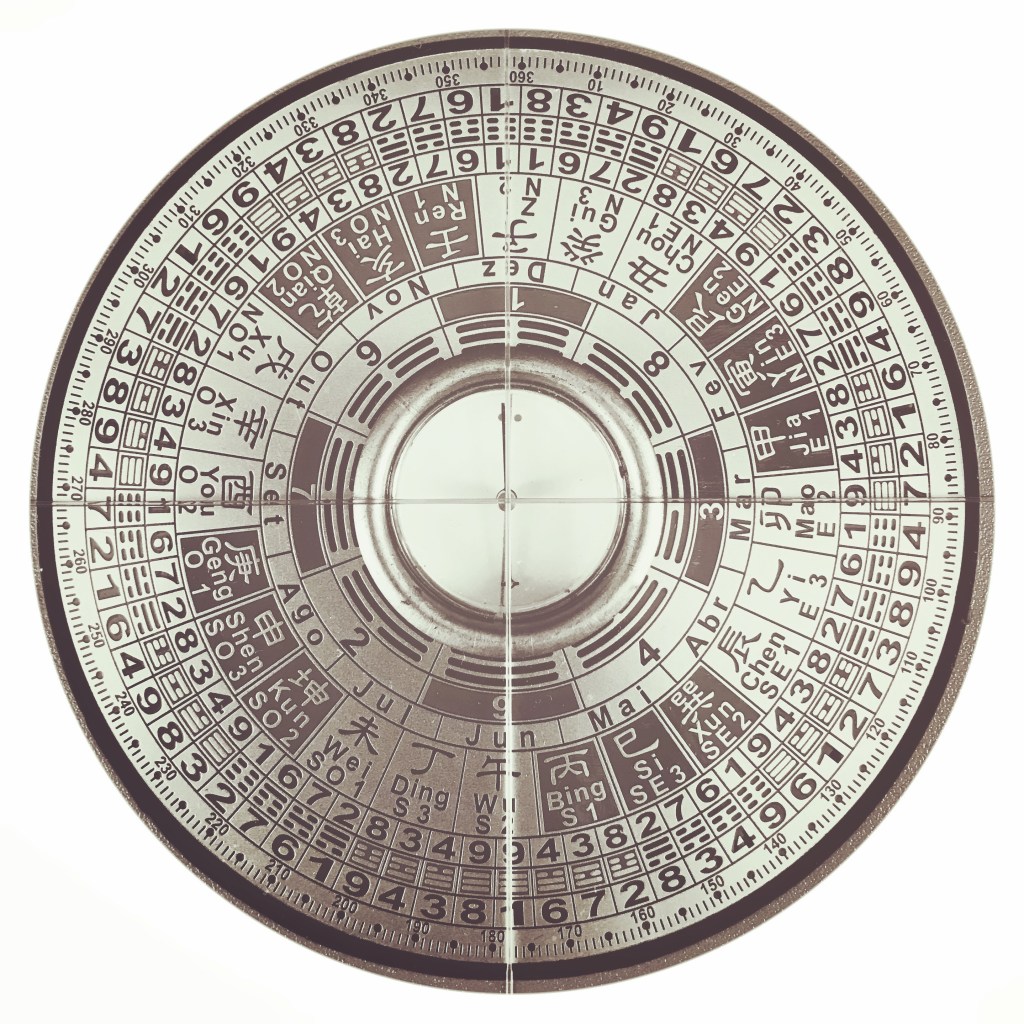
Luo Pan is the compass used exclusively by Feng Shui consultants and masters.
This compass is one of the oldest in the world and like a conventional compass, a Luo Pan is a location finder used for measuring houses and buildings.
However, it assumes more obvious differences, like the Feng Shui formulas engraved on up to 40 concentric rings on its surface.
This instrument is essential for carrying out Feng Shui studies and consists of a metal or wooden plate known as the sky display that generally rests on a wooden base also known as the earth plate. A thread, usually red, runs through the compass plate, and the sky dial at 90 degree angles, this line is used to find the direction and position on the rings.

One of the aspects that I was most fascinated with, when starting to study about this metaphysical milenar art, was definitely knowing about the influences of the different directions in our lives and achieving this knowledge was a real blessing for me. “If you don’t know what direction to take, you haven’t acknowledged where you are”…
Cacti inside home?

According to Feng Shui, why shouldn’t we have cacti indoors?
Pots of thorny plants, may emit a repulsive and defensive energy, which can also harm us if we touch them, and mostly our children and animals.

As soon as we look at them we sense this feeling of attack, and in reality touching any cactus is dangerous and can even cause infections or allergies.

Avoid cacti that have pointed and sharp leaves inside home because they also have a destructive character and may enable positive energy to flow in harmony.

This polemic theme causes a lot of controversy, specially now that so many people are using plants inside homes and this species are the ones we have to care less, very few watering and some light is enough for them to survive.

Still, inside cacti family we have others that don’t have this sharp points like needles, the succulents and round leafs are great to use inside homes and are just as resistant.
In some cultures the word cactus means “guardian of the house”, as they are plants that symbolize protection and security, in this way outside our house is where they should be placed so that they can protect us without representing danger.

Decluttering your life

Clutter is one of the most commented out themes in Feng Shui.
This happens because we cannot have a good environment at home if the house is full of objects and furniture, blocking the energy flow.
Realizing this doesn’t mean we must have a very minimal and sterile decor, on the contrary our personalities and tastes should be mirrored at our homes.
Decluttering is a really important task, pay attention to the objects around you, if they have a purpose, bring happiness or a good feeling stick with them, otherwise you need to let go.
Also take a good look to hallways, corners, pantries, garages and storage rooms ( clutter grows in this spaces mostly),if they are full of stuff that you don’t really need, the energy is stagnant and not flowing so you might feel the same in life.
Clear your rooms and make some space for new things to come, once you get it done I’m sure you will feel great about it.

YIN YANG

Yin and Yang are concepts of Taoism that expose the duality of everything that exists in the universe.

This concept is essential for establishing a sense of balance in environments, understanding Yin and Yang is the first principle of Feng Shui. Being aware that the body, the house and everything we live and experience is not isolated, but in resonance with the universe.

The Yin-Yang theory is one of the main theories of all the ancient Chinese schools of thought. Traditional Chinese Medicine, ancient martial arts, Feng Shui, I Ching and all Taoist cosmology are based on the dynamics of Yin and Yang. According to this theory, everything in our Universe is made of two opposing but deeply interconnected forces: Yin (female) and Yang (male).

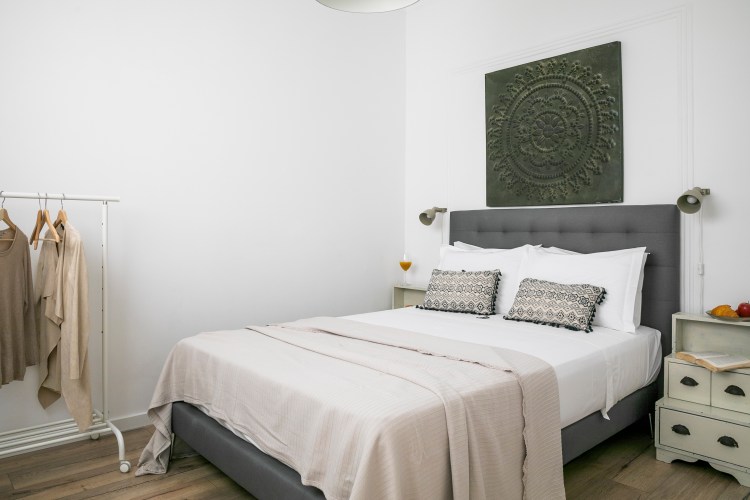
The interaction between these two opposing forces creates the essence of life around us. One cannot exist without the other, as in their apparent opposition, they strongly support and nurture each other. Yin (passive) is the calm and relaxed energy we need in bedrooms and bathrooms.

We can find Yin energy in smooth and dark colors around us, the soft music, the gentle sound of water or the relaxing images. Yang (active) is the forceful and vigorous energy we want to have in your home offices, living rooms and kitchens. We also find Yang energy in strong colors, bright lights, vibrant music, rising energy, tall plants and fire.

Keep your bedroom free from electronic devices

Let’s face it, now and more then ever electronics are a big part of our lives.
But here is why we shouldn’t have electronic devices like television, computers and cell phones turned on in our bedrooms.
It is proven by science that the use of electronic devices in the bedroom further disrupts the natural pattern of the sleep-wake cycle.
The light exposure negatively impacts sleep time, sleep quality and daytime alertness.
As adults we are subject to these influences and our children are particularly susceptible. So in order to keep a good health and productivity, here is what we should do:

  • No TV and dim lights two hours before bed;
  • Turn phones off or to silent at night;
  • Change electronics for relaxation activities such as meditation or reading.
  • Take time to prepare your sleep with hygiene rituals and bedtime routine.

Reducing electronics at night might be a little difficult at first, but the benefits of a good sleep and a healthier mind and body are worth the change.