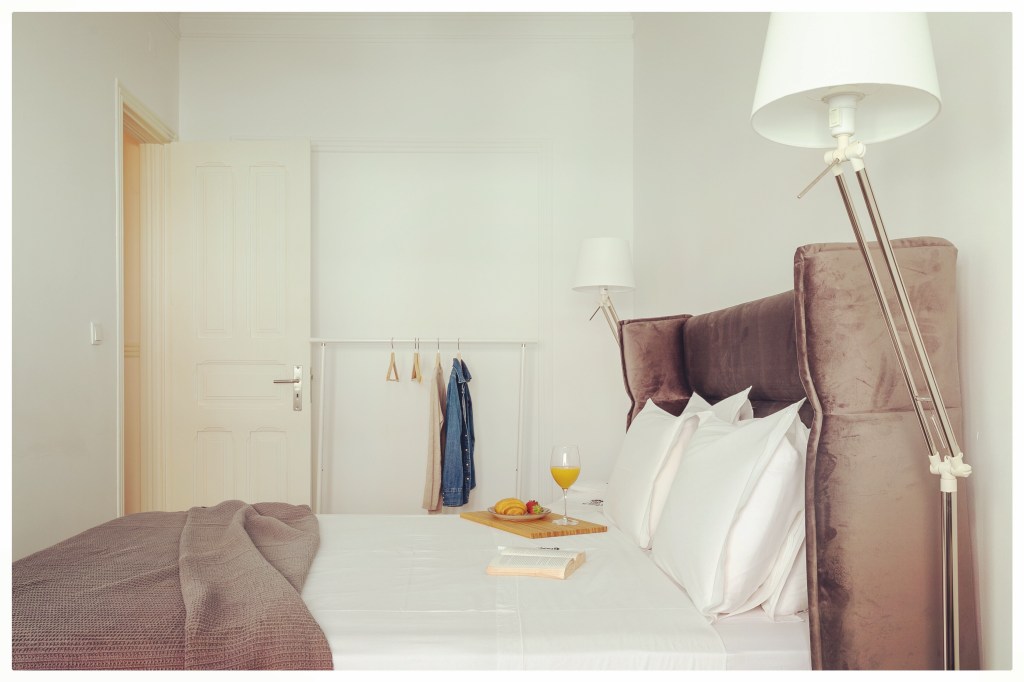
Objects and good vibrations.

Feng Shui generally study the energy flow and how everything is connected inside our homes.

For this reason, every object also emits a vibration on us, not only living beings, even though we feel a much stronger impact with them naturally.

So objects can be characterized by material, color, form and symbolism. This way when we look at any object in our home, we should pay attention to what vibration we get from it.

Look around your home spaces and analyze your objects making these questions:

  • Is this material natural and soft to touch?
  • does this color make me feel good?
  • does it have a strange or pointed form?
  • what do you feel when you’re looking at it, does it bring a good sensation?

Observation is key for Feng Shui practice and sometimes doing this exercise can help unblock stagnant and negative vibrations, bringing what we need that is a proper energy flow throughout the entire house.
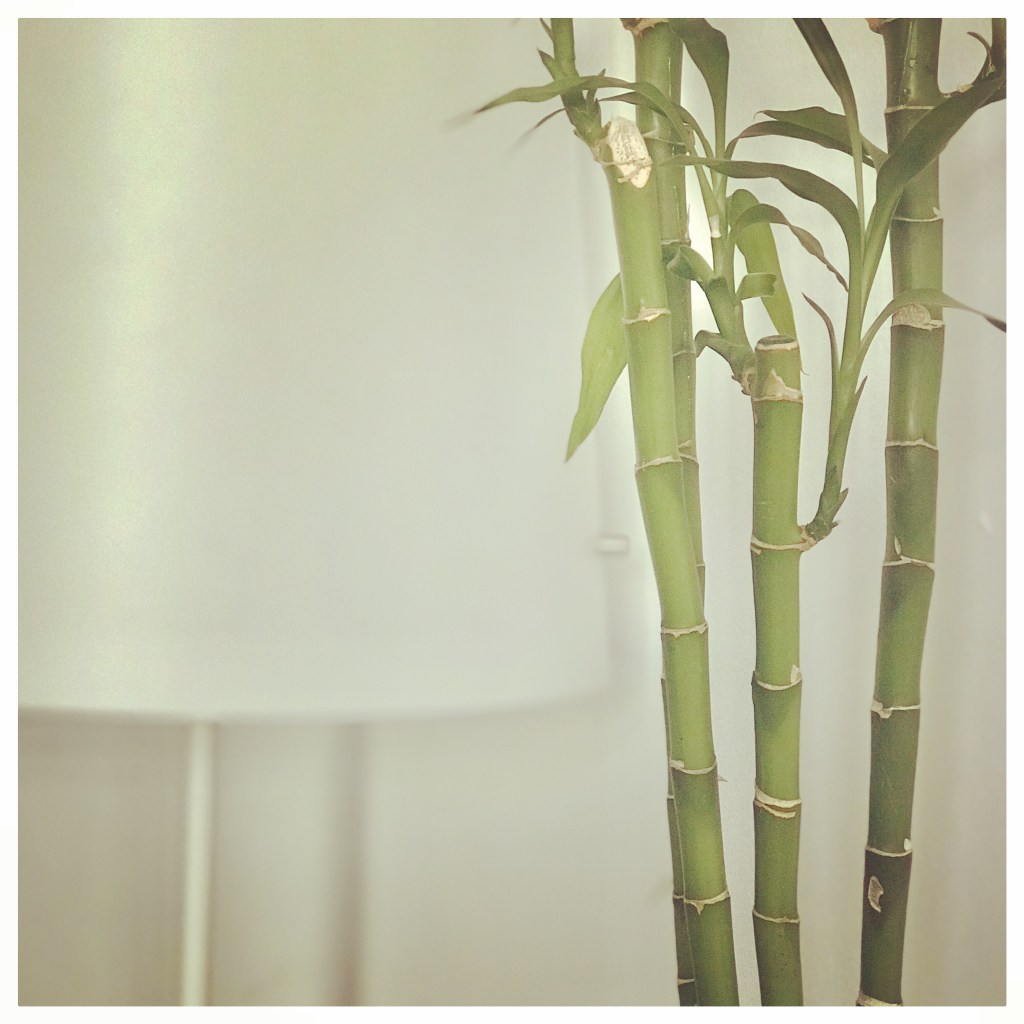
Bamboos at home.

Bamboos are one of the most successful symbols of Feng Shui practice.

Normally they can be placed in prosperity corner, Southeast but other directions like East and South can also get along well with this tree element.

In Asia this lucky plant brings good fortune and prosperity and the number of Bamboos we apply have also different meanings, but avoid placing 4 together because is considered a non auspicious number.

Caring for bamboo plants is easy and simple, just keep the water clean when placed in jars and remember that it grows fast and thick, while adding a charming touch to any environment.

How children feel about their bedrooms?

Usually it’s the first question I make them and the answer is always quite revealing, nevertheless, there are some easy Feng Shui tips that we can apply in every kid’s bedroom:

  • In general, the best direction for kids rooms is West;
  • too much color can bring a more agitated energy so prefer more soft tons, according to what’s best for them;
  • lots of furniture and obstacles are also something to avoid, they need space for their expansive energy;
  • the beds should be positioned in a way that they can see the door and feel protected;
  • involve children in sorting out the toys they really want to keep and encourage them to give away;
  • not having electronic devices turned on at night is crucial for a good night sleep;
  • have a good lighting where they study and if it’s possible place the desks near the windows;
  • prefer natural textiles in bed clothing and buy sustainable brands;
  • clean the room regularly and open the windows for fresh clean air to come in.

Finally, always bring children to participate in decorating and giving opinions, making them a part of the process is fundamental.

What is Feng Shui and what’s its application for?

This ancient Chinese art is based on harmonizing spaces and aims to improve the vital energy in beings and environments.

For this purpose, Feng Shui can be applied both in homes, in commercial spaces and companies. But always with the aim of making the environment healthy and prosperous.

Home decor and interior design are definitely tools for harmonizing Feng Shui inside our homes, but following this way of living has a much deeper meaning and this implies a profound knowledge of how energy moves in the planet, in the sky, in our home and even in our body.

Where to place the bed?

Bed positioning is quite an important topic for a proper Feng Shui analysis.

But sometimes , the more you read about Feng Shui, the more confusing you get because there are several methods or “schools” of this ancient art.

Some of these methods are very simple and intuitive to use, while others are more complex and require a deep knowledge of techniques to fully understand.

Form School is how Feng Shui was practiced in ancient times even before the invention of the magnetic compass. These ancient people studied the land, energy flow and the principles of yin and yang. From this, they learnt how best to site their homes, ensuring family prosperity.

So for this particular School , that focuses on observing forms around us ,the bed should always have a wall in its back and definitely not windows or corners, and mostly we should have a good overview from the bed to the door.