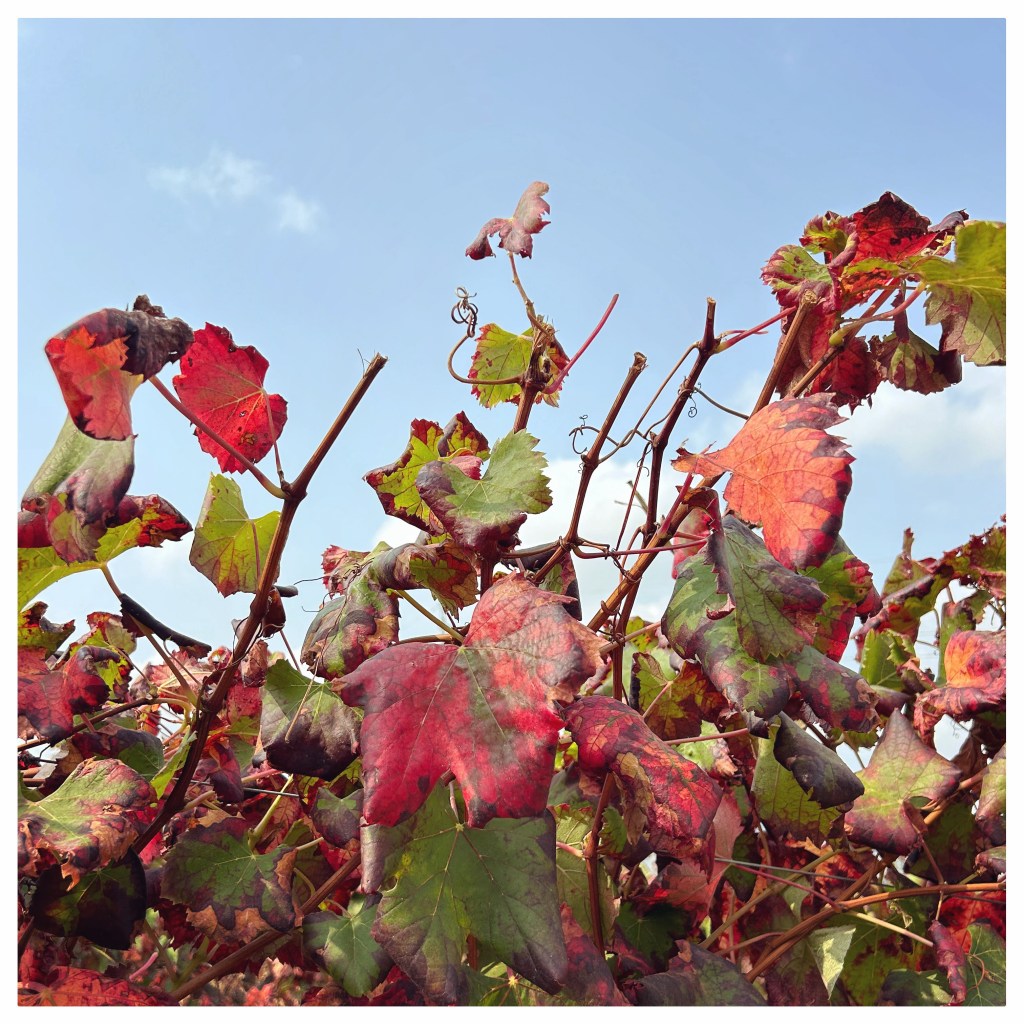
Autumn’s here,we can already feel the air is cooler and the day is getting dark earlier.
As nature slowly undresses herself from all the leafs and fruits, we can also work in perfect tune and do exactly the same.
For that we can pay a closer attention to what we have at home, sorting out all our belongings in every room and corner, what to keep, discard or recycle, this surely will bring more space and level up the energy in any environment.
Sometimes we can discard simple details of our daily lives at home, but the adoption of small habits bring a considerable improvement in our well-being, such as sleeping well.
Being aware that where we sleep is actually the place where we all spend most of the time in our homes, so the energy of this environment can have a big influence in your daily life.
Of course, in addition to some changes in feng shui, we can also improve the environment with natural candles and a fresh branch of lavender, which will bring a natural fragrance conducive to relaxation and therefore help with restful sleep.
Several studies show using lavender oil for aromatherapy can improve sleep quality, including in people with insomnia, depression, and anxiety.
Not only in Chinese culture and Feng Shui is there a strong importance of studying the cardinal points and the wind. Some people, such as the Hebrews, named directions according to geographical features that were important to the ancient Israelites who lived in the Judea region. The East is referred to as “Kedem”, which derives from “Edom” (“red”), and may be a reference to the colour of the rising Sun; North is referred to as “Saphon”, from Mount Zaphon, in the far north of Syria; South is often referred to as “Negev”, from the southern Negev Desert, and West is yam (“sea”, i.e. the Mediterranean Sea). Among the Greeks,the first ways of representing directions were related to the places where the winds came from, thus bringing the characteristics of that region. For example,wind from a maritime region brings moisture. This information is very important for agriculture and navigation, which depended on the wind to get from one point to another. In Greek mythology, the name of the group of deities that represented the wind was called “Anemoi”, while in Roman mythology it was called “venti”. In Egyptian mythology, Amun was the creator god of the wind, Qebui was the god of the north wind (represented as a four-handed man or a winged ram with four heads), and Shu was the god of wind and air. Depending on the time or region, one of them was the worshipped god. Among the Aztecs, Ehecatl was the god of winds, while Ehecatotontli was the god of breezes. There was also a god for each wind direction: Mictlanpachecatl (N), Tlalocayotl (E), Vitztlampaehecatl (S), and Cihuatecayotl (W). Throughout human civilization, the wind has inspired architecture, mythology, influenced historical events and warfare, powered transportation, and provided a source of energy for mechanical work, electricity, and also earth’s surface through wind erosion and sedimentation, giving rise to fertile soils for agriculture. In saying this, the importance of studying this energy that is capable of transforming the environment in which we live, be it the external or internal climate of our living spaces, and making them suitable to this force becomes clear.
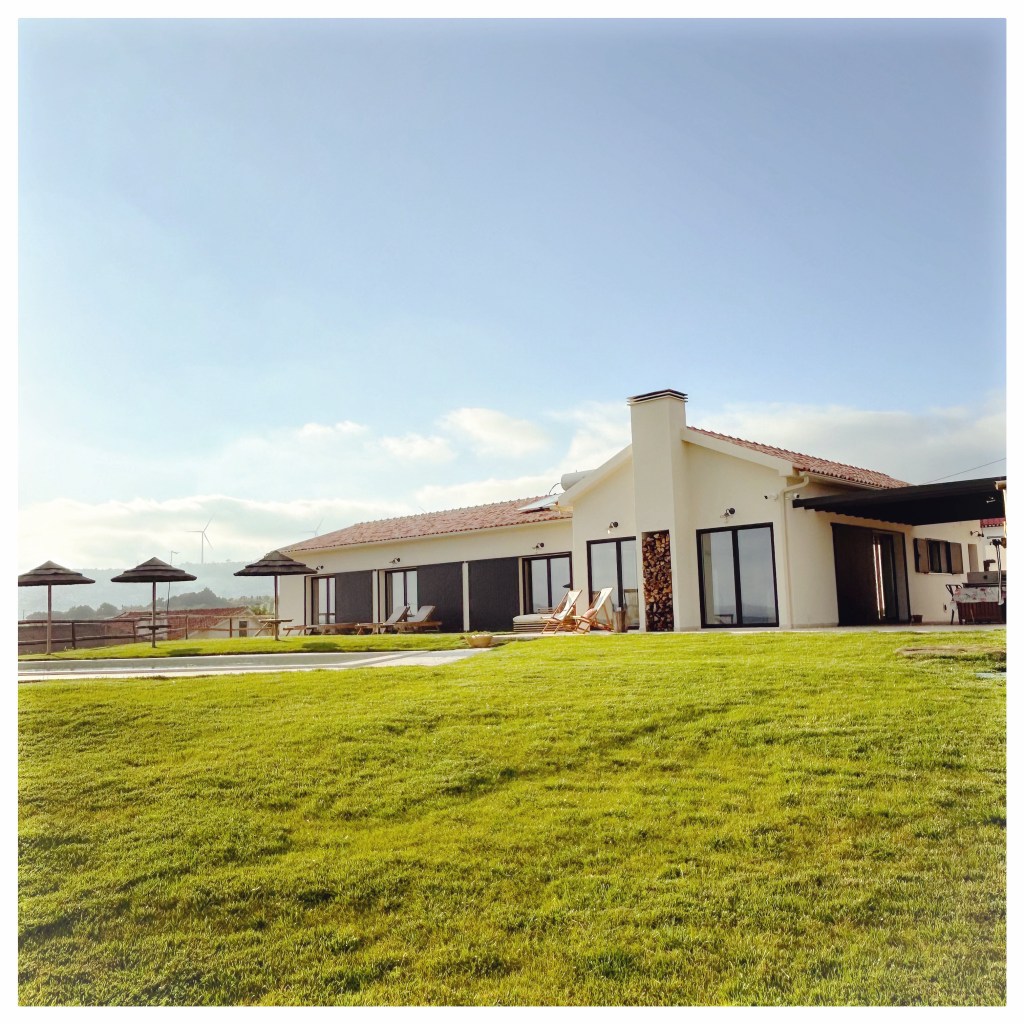
When you build a house from scratch, from nothing, there is a huge window of opportunity to create an harmonious space that suits the needs and desires of its inhabitants, but there is also a lot of work ahead, mixed with stress, emotions and many costs involved.
That said, when you are lucky enough to work locally with the best people around you, from the architect to the carpenter, from the painter to the landscaper, from the plumber to the electrician, and the list goes on, the chances of being successful are really high and all the process will be much easier.
But, before all of that , there is a focused intention of a family dream, a space clearing ritual, asking permission and protection to the guardians of the land and the 4 directions with wonderful @yellowsmileystar and a challenging Feng Shui study @shumufengshui aligned with the amazing architecture project. @salvadorelobo_atelier
After all of this, magic happens and there is finally a HOME. @casal_da_cerca ✨💛
Some of us might not own our house or apartment, it may be rented, owned by the family or even borrowed, but this should not be an excuse for not taking care of it with love and respect.
When practicing Feng Shui, there were times when I noticed a feeling of neglect between a house and its inhabitants and this mostly happened with spaces rented or belonging to third parties.
This made me wonder if the energy and vibration know who owns it? Probably not and what we do in the space we live in will certainly resonate with us, regardless of whether we own the space or not.
The moment we accept the challenge of each home and begin to improve its energy on our own behalf, we can come to an understanding that the home we live in is our shelter, our nest, our healer, even when it is not ours on paper, and by improving our living spaces we are actually improving ourselves.
Therefore, always try to take good care of your home, especially with Feng Shui, and you will most likely receive the same in return.




 SHÙMÙ
SHÙMÙ 