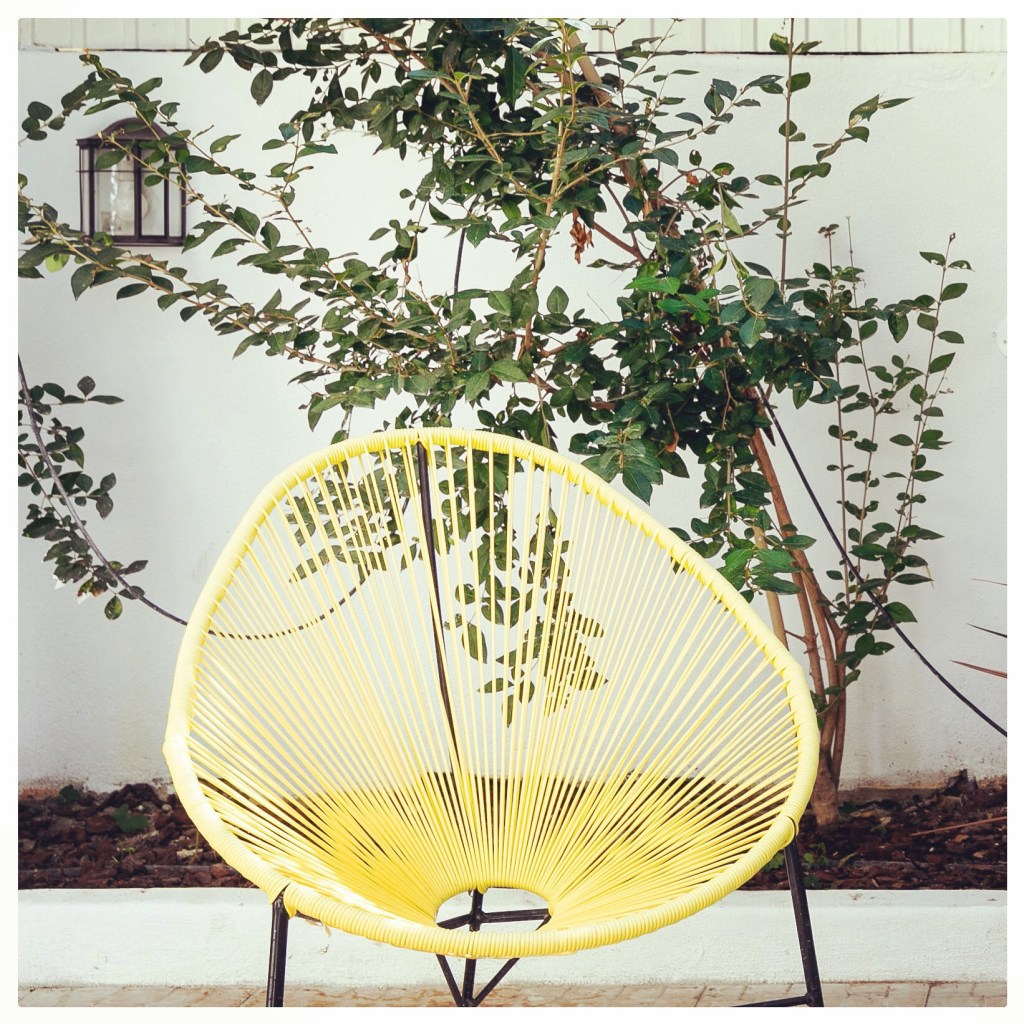
Feng Shui and a sustainable home.

It’s inside our home that sustainability begins, where we reduce, reuse and recycle.

There are many simple things we can do at home to save money and the planet, from the furniture we choose, to the fabrics we wear, to the quantity of plastic packaging we buy, the food we buy, the water we waste, the proper way to separate garbage, etc.

If Feng Shui is about energy flow and the environment around us, shouldn’t we consider a more sustainable living as another fundamental action inside our spaces?

Changing the home decor, using oils and incense, buying crystals and Buddha statues are all great for shifting the energy of a space quickly, but at what cost to nature? Not having any awareness about the bigger picture, could lead us back to the same condition remaining stagnant.

Human activity is the only responsible for the present situation we are all in, where pollution is in our water, our air, land and deforestation and the use of fossil energy is still a reality.

So, while practicing Feng Shui, rethink your actions inside your home and try to incorporate a more sustainable way of living, surely the energy will become more beneficial and consequently, for the planet, ourselves and future generations.

How can Feng Shui practice help when renovating a bedroom?

Renovations could be quite an amazing shift of energy in any space, although it can also be a big challenge.

Moving furniture around and changing the decor, could be insufficient in terms of improving your bedroom Feng Shui, specially when structures are also another issue that can really have a negative impact on its inhabitants.

Here are just a few general recommendations to look at before any bedroom renovations:

  • If you have a bathroom behind your headboard, make sure you don’t sleep with a wall of pipes with water behind;
  • When you have more than one floor, avoid sleeping in the room right above the kitchen stove, where fire energy is stronger;
  • Placing the bed between windows or doors could accelerate energy, which is not a good option when it comes to rest and sleep;
  • Make sure you don’t sleep beneath an exposed beam;
  • Every protruding corner could have a harmful effect if it’s too close to the bed;
  • Finally, when choosing the best place to position your bed, avoid having your feet pointing directly to the door as well as having your headboard with a window behind.

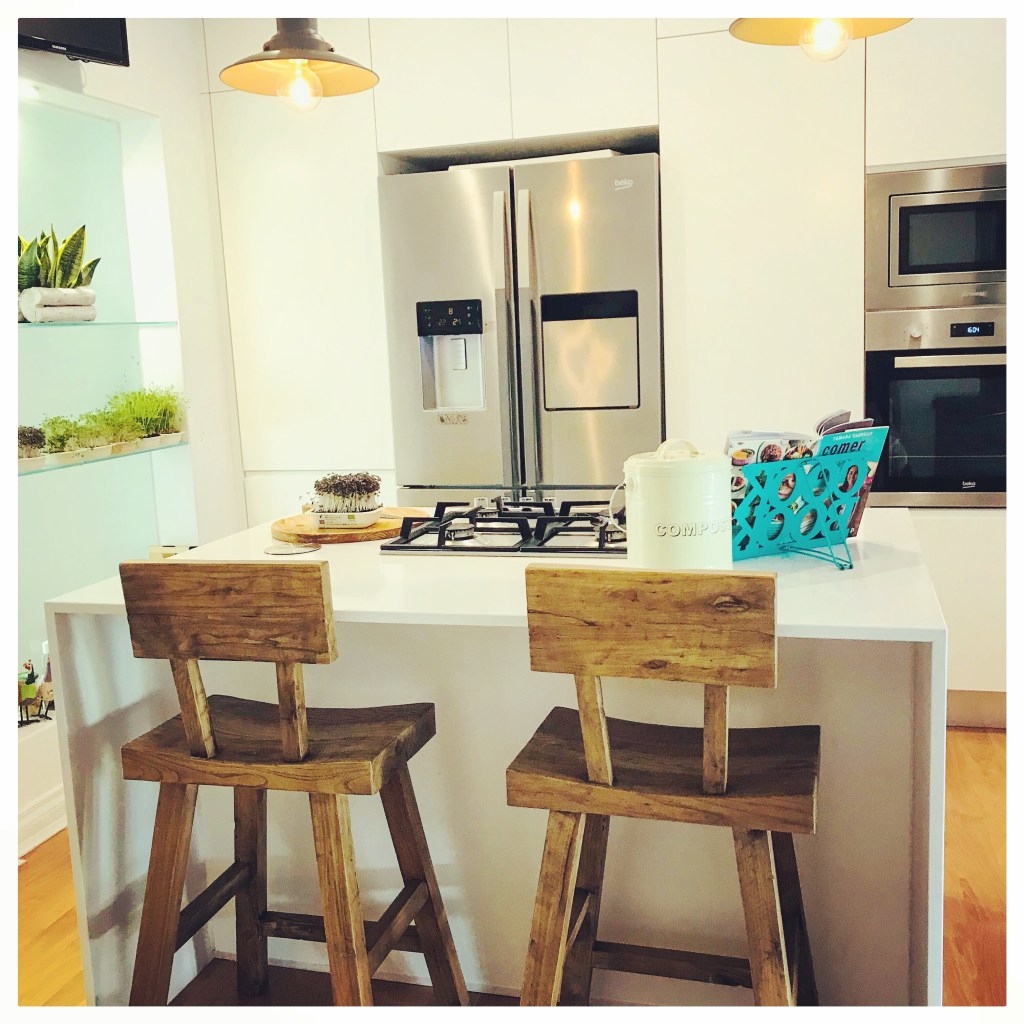
How to get a healthier kitchen with Feng Shui?

The kitchen is probably one of the most important parts of a house, as being multifunctional, sometimes it can be difficult to achieve a more harmonious space.

Besides being where we storage, prepare and even eat our food, it’s also a meeting point for family and friends, a place that children love and our own health center, so it should be functioning well as well as supporting a healthier lifestyle.

The orientation of the kitchen could also have a powerful effect on how it functions, and with deeper studies of Feng Shui, it’s even possible to know the best place for Fire elements as the stove and Water elements, like the fridge and sink, bringing abundance and prosperity to the inhabitants of the home.

As soon as we discover the best option for the kitchen, we can use the 5 elements cycle to help us create balance, but also keeping in mind that modern kitchens could affect negatively our well being if we discard some important things:

  • A very noisy kitchen with many electronic devices;
  • Lack of space and light;
  • Food contamination from using certain materials for packaging and preservation;
  • Dangerous and harmful products to clean countertops and other surfaces;
  • The consume of chemical substances used in industrial food production can cause huge damage in health;
  • Finally, not contributing for the world health with unsustainable actions, such as not separating garbage from compost, plastic, paper and glass, all these materials end up in food chain.

Therefore, when practicing Feng Shui try to incorporate these and other important issues inside your space, be aware that there are no miraculously solutions when the problem is not exactly the home, but a relationship of respect and harmony with the environment that surrounds us.

Is Feng Shui a minimalist practice?

Every object, furniture, colors and textures we choose to decorate or add in a home, reveal information about its inhabitants as well as transmit certain sensations.

When perhaps the style of a home is very minimalist, very sober and sterile, most of its objects are functional and in search for a clean and simple design, preferring white environments, glass, cement and metal as main materials.

So, the inhabitants of a home like this may be more lonely and introverts, revealing an intellectual side, sometimes even art and book lovers.

Nevertheless, accumulation and mess are always energy blockers, even when they are hiding in certain rooms or closets, so the overall aspect of a minimal home may also hide chaos and disorder.

Many Feng Shui scholars bring together all this informations in order to discover what areas of a home are most challenging and what we can do to improve the energy flow.

To find the balance inside spaces, first we must learn how to decipher what our own personal nature is, that’s when Feng Shui practice begins, weather being a minimalist or not.

The back garden for Feng Shui practice.

Our back gardens can also be provided with buildings, furniture and structures, so we should also pay attention to their condition and location as they will have a great impact on the harmony of the garden, and consequently on the house.

Often these gardens can be overlooked and seen only as a storage area, full of clutter and junk.

It is then important to use materials that are in harmony with the surrounding building and try to maintain the balance of Yin and Yang through the 5 elements of Chinese metaphysics.

The environment surrounding the house is also essential for our well being and we should create more stability in the four “cornerstones” of the garden, in the southeast, southwest, northwest and northeast areas.

So, in general, we can use:

▫️In the Southeast area, vertical, wooden and green shapes may be used;

▫️At Northeast zone,use browns and yellow,rectangular shapes;

▫️At Southwest corner you can use red and triangular shapes;

▫️In the Northwest area, prefer round shapes, metals and colors like white and silver.

Before starting to work on this space, observe how the circulation is done, if you have obstacles, remove them, also the trees and plants should have a vigorous and healthy aspect.

Soon you will realize that by enhancing your garden and spending more time outside, your entire home, inhabitants and even neighbors will benefit from this improvement.