Why should we also worry about having a healthier environment at home?

Many allergies and health problems can come from within our spaces and recent studies have concluded that humans are more allergic today in an industrialized world than they were a few decades ago.

Exposure to chemically altered compounds, air pollution, food additives or chemicals that are in our furniture, walls, clothes, linens and perfumes put such pressure on our body system that we can react with allergies.

It is clear that the way we design and live within our spaces also has a huge impact on our health, and the practice of Feng Shui invites beneficial energy into our lives, so here are just a few things to consider for having a healthier environment:

▫️opening windows regularly and letting in fresh air;
▫️ use non-chemical products as much as possible to clean the house;
▫️ only use natural air fresheners, incense and candles, without any chemicals;
▫️ whatever fabric is in contact with your skin, such as household clothes or to wear, they should be natural and organic just like our body;
▫️ if you are planning renovations, prefer natural materials as much as possible, for furniture, to paint the walls, etc;
▫️Finally, pay attention to moisture, mold, mites and dust, these harmful problems can cause allergies and respiratory complications, so make sure they get fixed as soon as possible.
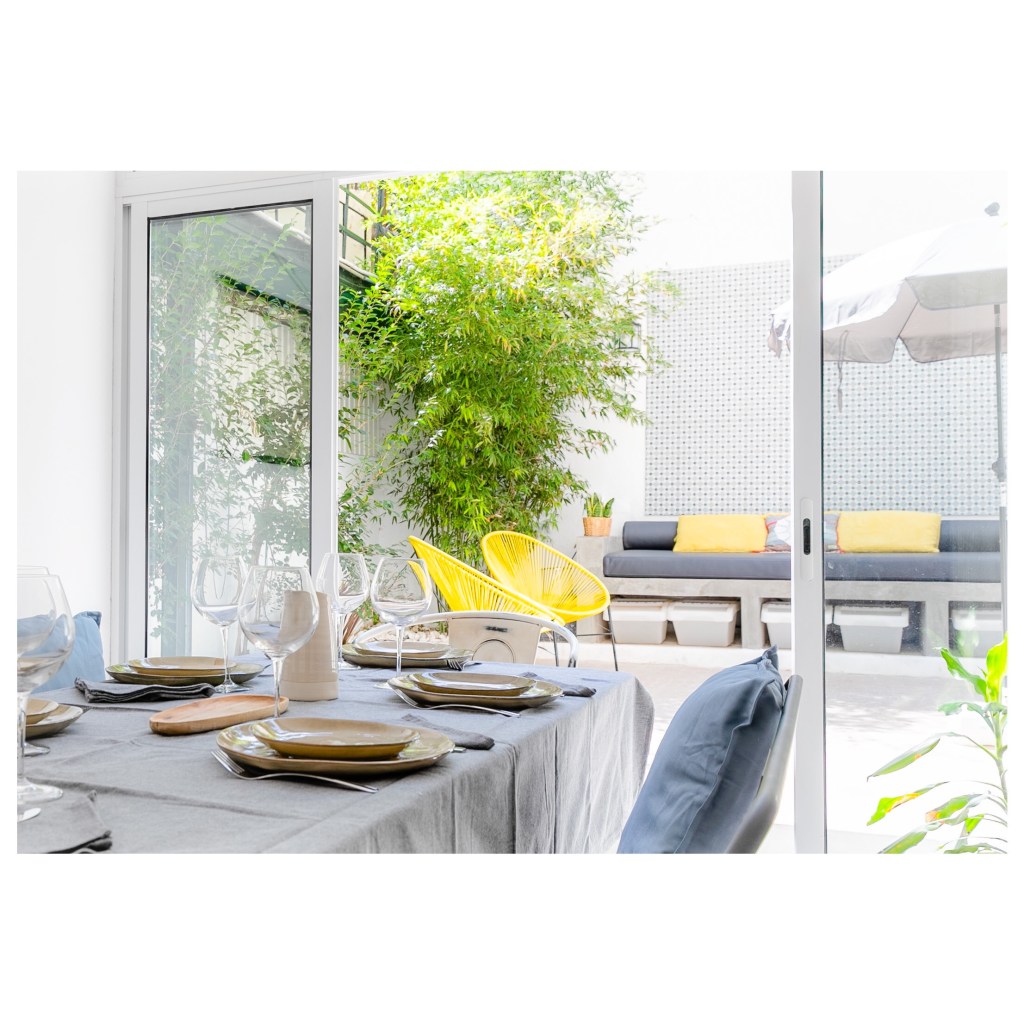
Do the houses which are enjoyed attract good Feng Shui?

Do houses that are enjoyed attract good Feng Shui?

Naturally, we feel well in environments that invite us to be and enjoy the present moment, like good hosts within our own space.

Sometimes, museum environments, all very tidy and orderly, where we are afraid to move or even spoil something, can bring a feeling of discomfort that would be the exact opposite of how we should feel at home.

Closed and unused rooms, which are only lived for special events and exhibitions, are full of stagnant energy, which does not favor a good flow of Chi (energy) and, consequently, a more welcoming and healthy environment.

We could say that the ultimate goal of Feng Shui practice is to bring well-being, so trying to combine comfort and freedom in any environment is one of the most fundamental teachings that we can apply to achieve a better energy flow, which leads to a better Feng Shui.

Feng Shui and the Symbolism in every home.

Each home or space, in addition to all its size, characteristics and functions, also has its own symbology that shows us a little bit about who inhabits this space.

In the current practice of Feng Shui, just incorporating symbols from China when this ancient art is already spread all over the world, could be limiting and for some it even might be meaningless.

Thus, we can use our own symbols in spaces, whatever religion, belief or culture they are, not having this direct relationship with the Feng Shui of a certain space, but the vibration and appreciation we have for a certain symbol.

For example, the symbol of the ear in Portugal is used in houses in the month of May, usually placed behind the door, they represent bread, as the basis of family sustenance, fecundity and the beginning of the harvest.

Indoor plants and gardening.

In recent years, we’ve seen the revival of this touch of green in houses and apartments around the world.

As this great Tree element gains more and more popularity within spaces, to maintain a good flow of energy, they must be well taken care of so that they remain strong and healthy, sick or decaying plants will be indicators of non-beneficial Feng Shui.

Interior design has a lot to gain from the magic touch of plants, as they are able to provide a cozy atmosphere, as well as being affordable and bringing any space to life.

🪴Photo of Monstera Deliciosa, very sturdy and visually appealing.

Industrial style interiors and Feng Shui elements.

Rusty metals and old barn woods are some of the materials that characterize this type of spaces inspired by repurposed factories from the Industrial Revolution.

The industrial home design style uses a lot of exposed architectural elements like pipes, brick, and concrete, open floor plans, and a cool, neutral color palette.

For Feng Shui practice, this type of environment has mostly metal and wood elements, that could lead to a more cold, minimalist and rough feeling.

So bringing all the other elements like water, fire and earth to the industrial interior, is the key to find balance in this type of environments.

For example, adding earth elements like natural fabrics, weathered leather or linen are great for these environments for both furniture and accents, creating a more soft and cozy experience.