Designing a home from scratch with Feng Shui is certainly a great experience, although a lot of study is required for Feng Shui professionals.
Not only because it combines some many important information about the placement of the new house, such as the period of time, the directions, the land, the exterior forms and landscape, the inhabitants, etc., but also because this ancient art could bring the opportunity of “tunning” the house to a more prosperous and harmonious life.
Every part of the house is carefully studied, from the front door to where to place the beds or the stove, Feng Shui practice could bring out the best inside any space, allowing energy to flow in a smooth and welcoming way.
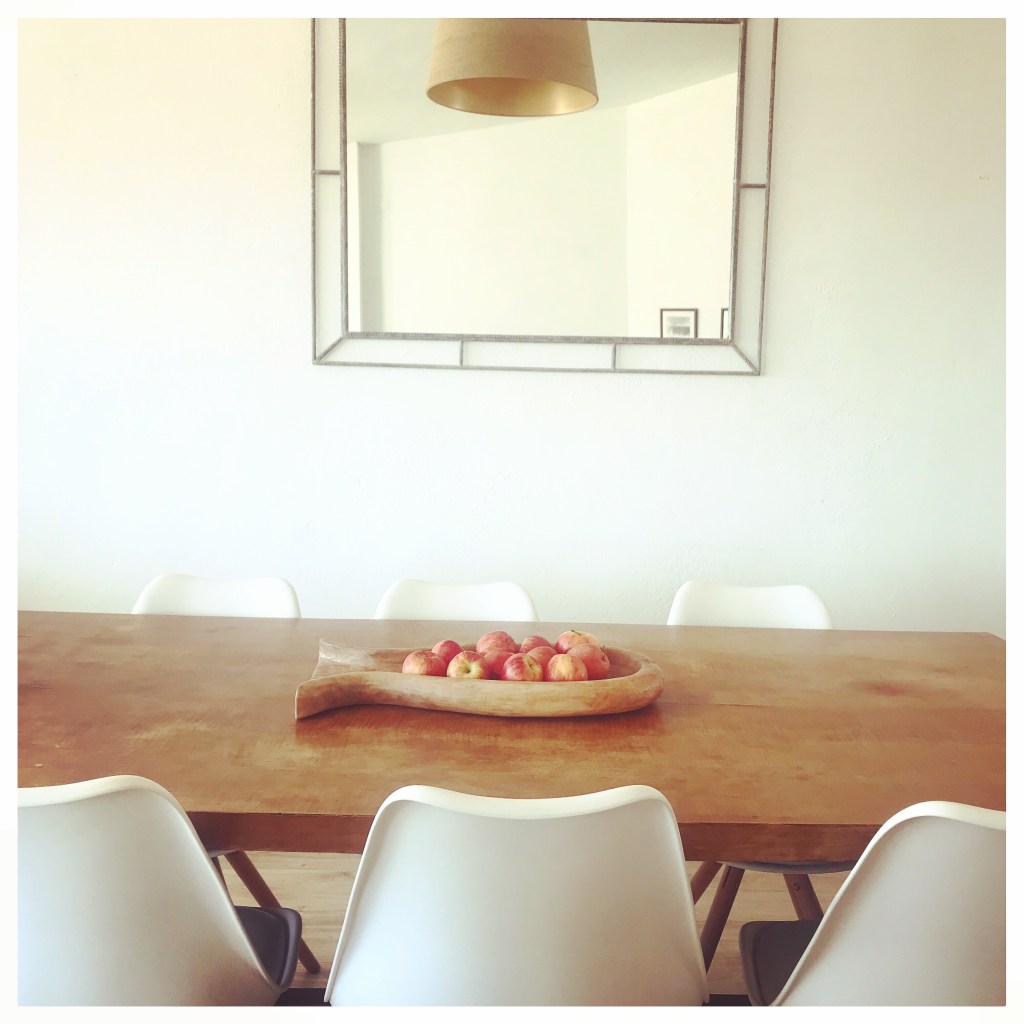
When it comes to the shape of a dining table, most of Feng Shui scholars consider round or oval tables the most beneficial in terms of balance, since they don’t have sharp corners and represent metal element.
Nevertheless, square or rectangular tables could also be great if we have enough space to freely circulate, without crashing into corners, and avoid sitting in front of them, this shape of tables represent earth element, also good for nutrition and gatherings.
In terms of materials, there’s a big variety like wood, glass, marbles, metal, and also here we can choose according to the element that works better for our environment, for example:
If we want do add a tree element to this space, a solid wood table would be a great option;
If by other hand,we want to add water element, a glass table could bring that type of energy;
When using marbles, earth element is the presented energy;
Metal materials are all linked with metal element.
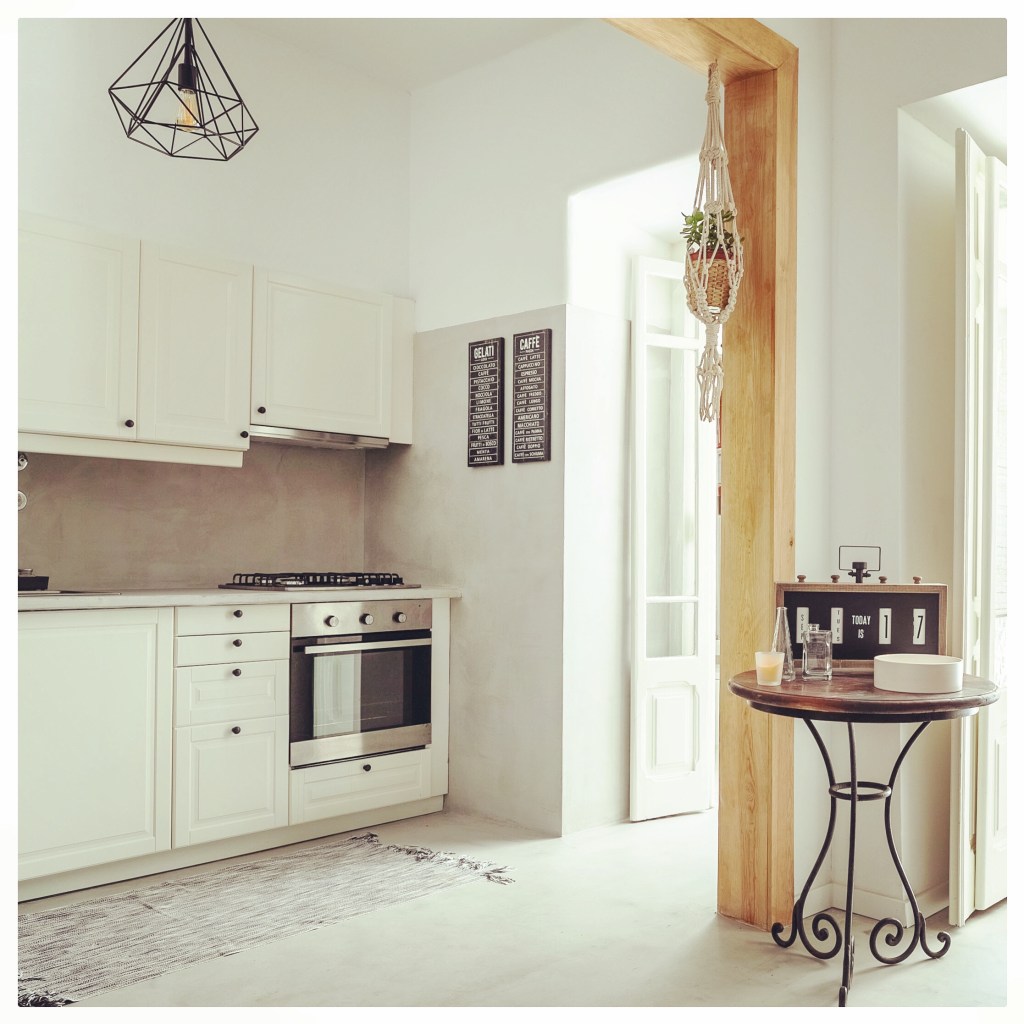
Open kitchen concepts are a big trend nowadays, our way of living is changing into a more open and communicative behaviour and that too is reflected in our homes.
In terms of Feng Shui, ancient scholars believed that this space should be apart from the rest of the house, mainly because of Fire element that brings a powerful energy throughout any environment, which could be harmful in certain circumstances.
So when choosing this type of solution for a kitchen, this doesn’t mean it has a bad Feng Shui, as long as some important guidelines are accomplished, even open concept kitchens could bring a much better energy flow to any home.
If you are thinking in opening your kitchen, ask for Feng Shui professional advice so that this space becomes a better version more suitable for you and your family.
Renovations could be quite an amazing shift of energy in any space, although it can also be a big challenge.
Moving furniture around and changing the decor, could be insufficient in terms of improving your bedroom Feng Shui, specially when structures are also another issue that can really have a negative impact on its inhabitants.
Here are just a few general recommendations to look at before any bedroom renovations:
If you have a bathroom behind your headboard, make sure you don’t sleep with a wall of pipes with water behind;
When you have more than one floor, avoid sleeping in the room right above the kitchen stove, where fire energy is stronger;
Placing the bed between windows or doors could accelerate energy, which is not a good option when it comes to rest and sleep;
Make sure you don’t sleep beneath an exposed beam;
Every protruding corner could have a harmful effect if it’s too close to the bed;
Finally, when choosing the best place to position your bed, avoid having your feet pointing directly to the door as well as having your headboard with a window behind.
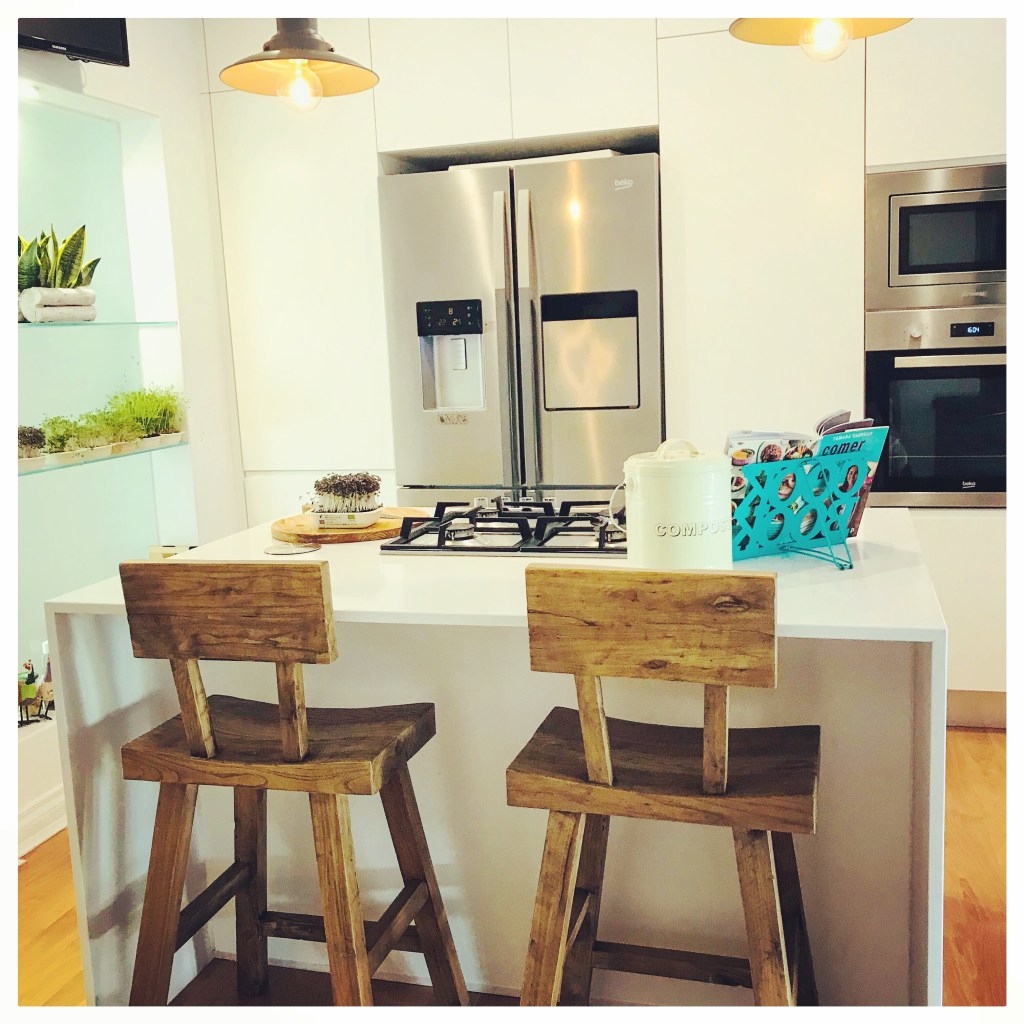
The kitchen is probably one of the most important parts of a house, as being multifunctional, sometimes it can be difficult to achieve a more harmonious space.
Besides being where we storage, prepare and even eat our food, it’s also a meeting point for family and friends, a place that children love and our own health center, so it should be functioning well as well as supporting a healthier lifestyle.
The orientation of the kitchen could also have a powerful effect on how it functions, and with deeper studies of Feng Shui, it’s even possible to know the best place for Fire elements as the stove and Water elements, like the fridge and sink, bringing abundance and prosperity to the inhabitants of the home.
As soon as we discover the best option for the kitchen, we can use the 5 elements cycle to help us create balance, but also keeping in mind that modern kitchens could affect negatively our well being if we discard some important things:
A very noisy kitchen with many electronic devices;
Lack of space and light;
Food contamination from using certain materials for packaging and preservation;
Dangerous and harmful products to clean countertops and other surfaces;
The consume of chemical substances used in industrial food production can cause huge damage in health;
Finally, not contributing for the world health with unsustainable actions, such as not separating garbage from compost, plastic, paper and glass, all these materials end up in food chain.
Therefore, when practicing Feng Shui try to incorporate these and other important issues inside your space, be aware that there are no miraculously solutions when the problem is not exactly the home, but a relationship of respect and harmony with the environment that surrounds us.



 SHÙMÙ
SHÙMÙ 