An important aspect of Feng Shui studies is how light and energy (Chi) enter each space, especially natural light coming from outside.
When a careful mapping of space and its directions is done, and depending on which side of the globe it is on, we can know exactly the quality and quantity of light we have in certain rooms.
For example, generally if a living room is facing south in Portugal, in the northern hemisphere it will certainly have light and heat throughout the day, from sunrise to sunset.
On the other hand, if that same space faces North, it will probably be dark and cold, with a lack of light.
In the east direction, we can benefit from the sunrise light, which is generally good for bedrooms.
To the west direction we are able to watch the sunset, so the living rooms are also great here.
Not only in Chinese culture and Feng Shui is there a strong importance of studying the cardinal points and the wind. Some people, such as the Hebrews, named directions according to geographical features that were important to the ancient Israelites who lived in the Judea region. The East is referred to as “Kedem”, which derives from “Edom” (“red”), and may be a reference to the colour of the rising Sun; North is referred to as “Saphon”, from Mount Zaphon, in the far north of Syria; South is often referred to as “Negev”, from the southern Negev Desert, and West is yam (“sea”, i.e. the Mediterranean Sea). Among the Greeks,the first ways of representing directions were related to the places where the winds came from, thus bringing the characteristics of that region. For example,wind from a maritime region brings moisture. This information is very important for agriculture and navigation, which depended on the wind to get from one point to another. In Greek mythology, the name of the group of deities that represented the wind was called “Anemoi”, while in Roman mythology it was called “venti”. In Egyptian mythology, Amun was the creator god of the wind, Qebui was the god of the north wind (represented as a four-handed man or a winged ram with four heads), and Shu was the god of wind and air. Depending on the time or region, one of them was the worshipped god. Among the Aztecs, Ehecatl was the god of winds, while Ehecatotontli was the god of breezes. There was also a god for each wind direction: Mictlanpachecatl (N), Tlalocayotl (E), Vitztlampaehecatl (S), and Cihuatecayotl (W). Throughout human civilization, the wind has inspired architecture, mythology, influenced historical events and warfare, powered transportation, and provided a source of energy for mechanical work, electricity, and also earth’s surface through wind erosion and sedimentation, giving rise to fertile soils for agriculture. In saying this, the importance of studying this energy that is capable of transforming the environment in which we live, be it the external or internal climate of our living spaces, and making them suitable to this force becomes clear.
When you build a house from scratch, from nothing, there is a huge window of opportunity to create an harmonious space that suits the needs and desires of its inhabitants, but there is also a lot of work ahead, mixed with stress, emotions and many costs involved.
That said, when you are lucky enough to work locally with the best people around you, from the architect to the carpenter, from the painter to the landscaper, from the plumber to the electrician, and the list goes on, the chances of being successful are really high and all the process will be much easier.
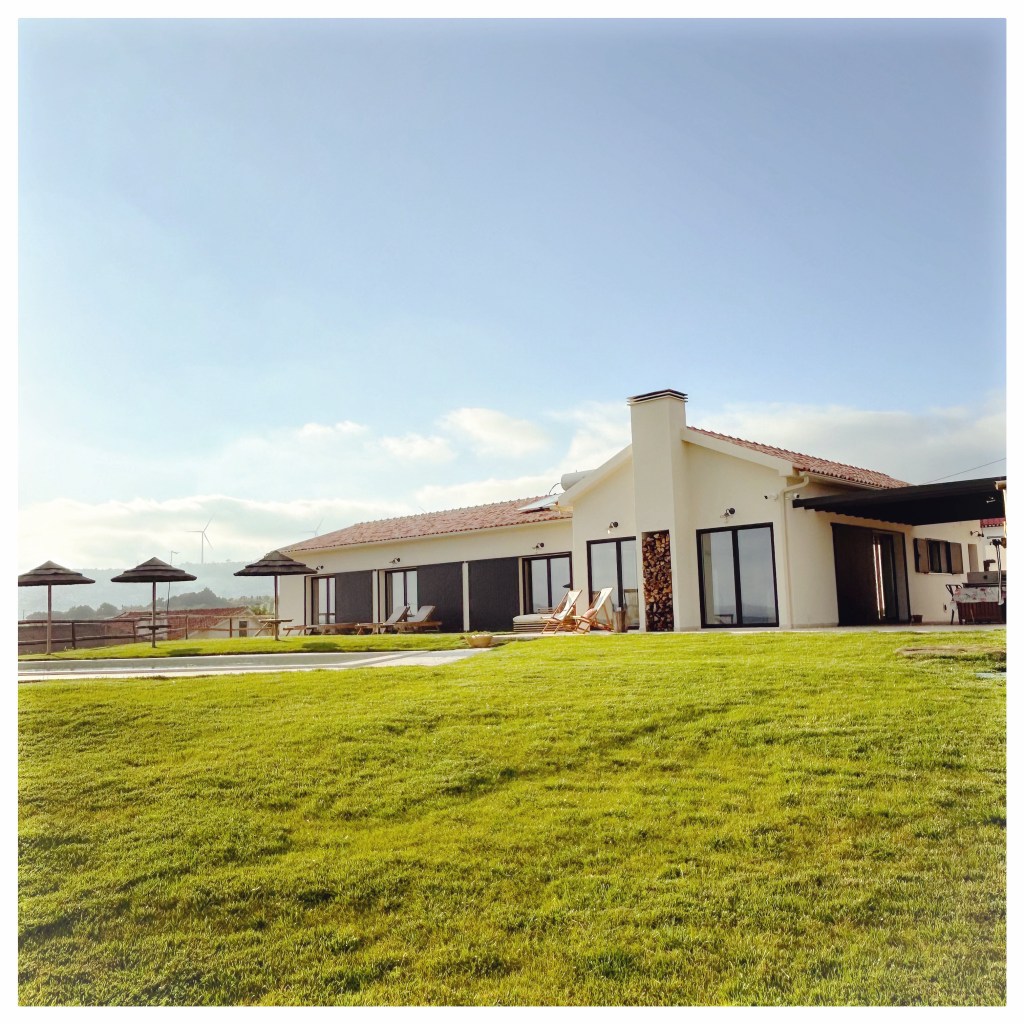
But, before all of that , there is a focused intention of a family dream, a space clearing ritual, asking permission and protection to the guardians of the land and the 4 directions with wonderful @yellowsmileystar and a challenging Feng Shui study @shumufengshui aligned with the amazing architecture project. @salvadorelobo_atelier
After all of this, magic happens and there is finally a HOME. @casal_da_cerca ✨💛
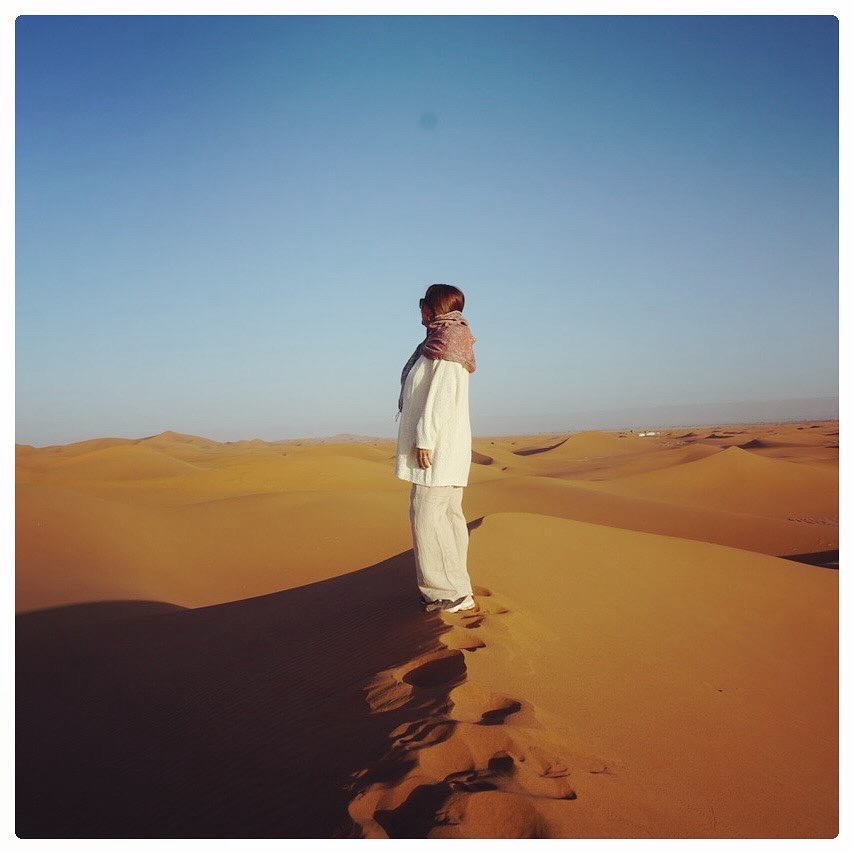
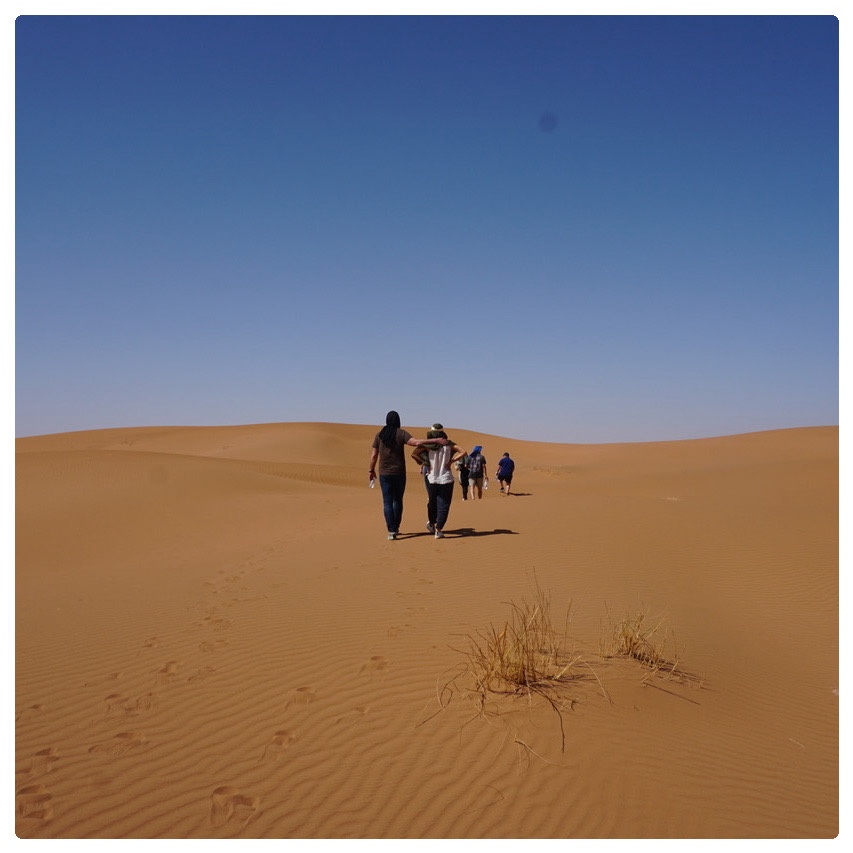
Starting this year of the Dragon with a very challenging and unique Feng Shui project in the Sahara Desert, Morocco.
Also the beginning of Fire period 9, which comes with a powerful and unexpected twist for us to absorb.
This incredible experience in the desert, where we are part of the sky just like the stars, planets and comets, where the silence is such that the only noise is our breathing and where the sand is the only path you will see.
This strong Earth element environment with all the sand and the pure fire element of the sun, makes it one of the most powerful but also challenging places on earth to be, where every single living creature struggles to survive in these conditions.
Therefore, making it habitable and suitable for this difficult environment, offering a remote, intimate and luxurious experience will be the ultimate objective of the entire team involved, with the study of feng shui, the mentors and the architects.
For the practice of Feng Shui, mountain energy has really a lot to say. In reading the Luo Pan compass, for example, any direction (cardinal point) is associated with 3 mountains, yin or yang, that help in the deeper interpretation of the study in question.
Also in its form, in China the symbolism that is inherent to mountains determines their auspiciousness for the people who live in that region, which can be very good or on the contrary not at all beneficial, therefore there are several terms and classifications for mountains, such as dragon mountains.
In general,mountain representations are linked to the earth element, meaning support, stability and protection, which is why it is used in the location of buildings and within spaces precisely to attract these beneficial energies to the inhabitants.
Inside the building, the mountain representation should also be applied when placing tables, beds and other seating furniture, positioning them in front of a supporting wall. In order to achieve well-being, success and empowerment we should begin with the basic for human life, that we feel safe.




 SHÙMÙ
SHÙMÙ 